
Quartz
Quartz Stone
Quartz stone, also known as engineered quartz or quartz composite, is a man-made material composed of natural quartz crystals and binders such as resins, polymers, and pigments. It is designed to mimic the appearance of natural stone while offering superior strength, durability, and resistance to stains and scratches.
Quartz stone is meticulously crafted by blending natural quartz crystals with precisely measured resins and pigments. While the quartz content may slightly fluctuate, it predominantly constitutes 90-95% of the material. The remaining percentage comprises specialized resins, serving as the cohesive force that binds the quartz crystals, and pigments, which not only provide vibrant color but also add depth and character to the final product. This thoughtfully composed blend ensures that quartz stone possesses both the enduring strength of natural stone and the creative versatility of human craftsmanship, resulting in a material that excels in both form and function.






About Quartz Stone Tiling
Manufacturing Process
The manufacturing process of quartz stone is a fascinating blend of art and science, resulting in surfaces that embody both beauty and strength. It begins with the careful selection of high-quality quartz crystals, known for their remarkable durability and natural elegance. These crystals are crushed into precise sizes to create the raw material for quartz slabs.
Next comes the meticulous mixing phase, where the quartz crystals are combined with resins and pigments. This step allows for a wide range of colors and patterns to be introduced, giving quartz its renowned aesthetic versatility. The precise ratios and thorough blending of these components are essential to achieve consistency and uniformity in the final product.
Once the mixture is perfected, it's poured into molds. These molds are specially designed to accommodate various slab sizes and thicknesses. During this stage, the material is carefully leveled, ensuring a flat and even surface. To eliminate any trapped air and create a dense, uniform structure, a vacuum and vibration process is employed. This crucial step guarantees the exceptional durability that quartz is known for.
After compression, the slabs are cured in a controlled environment. This allows the resins to harden and the material to solidify further, ensuring long-term stability and strength. The curing process is followed by precision polishing, where the surface is meticulously smoothed to a high shine. This final touch not only enhances the visual appeal of quartz but also contributes to its resistance against stains and everyday wear.
Colors and Patterns
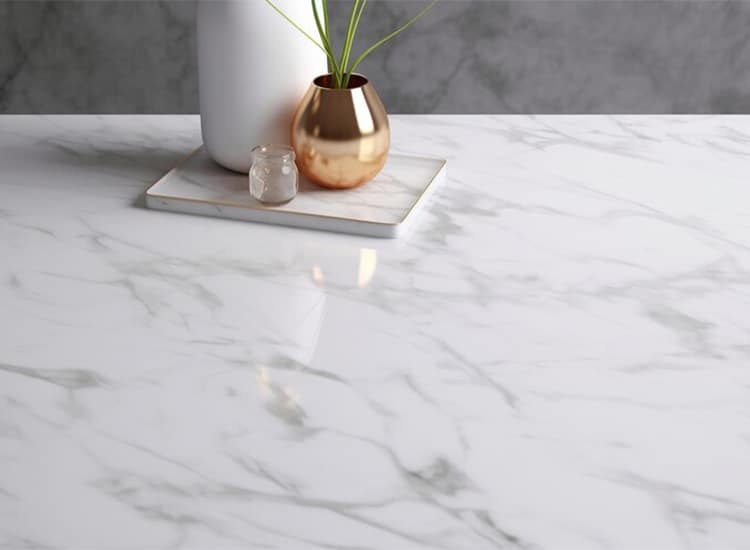
Quartz tiles offer an extensive array of options when it comes to colors and patterns. You can choose from a diverse palette of hues, including timeless classics like white, gray, black, and gold. However, the beauty of quartz extends beyond its color spectrum. These tiles can be found in various captivating patterns, from solid, uniform surfaces to intricate designs adorned with delicate veining. For those who desire the elegance of natural stone without the maintenance, quartz tiles can even replicate the look of materials like marble, granite, or limestone. This versatility ensures that quartz tiles can seamlessly complement any design vision, from contemporary minimalism to classic opulence.
Styles in Designs
Modern
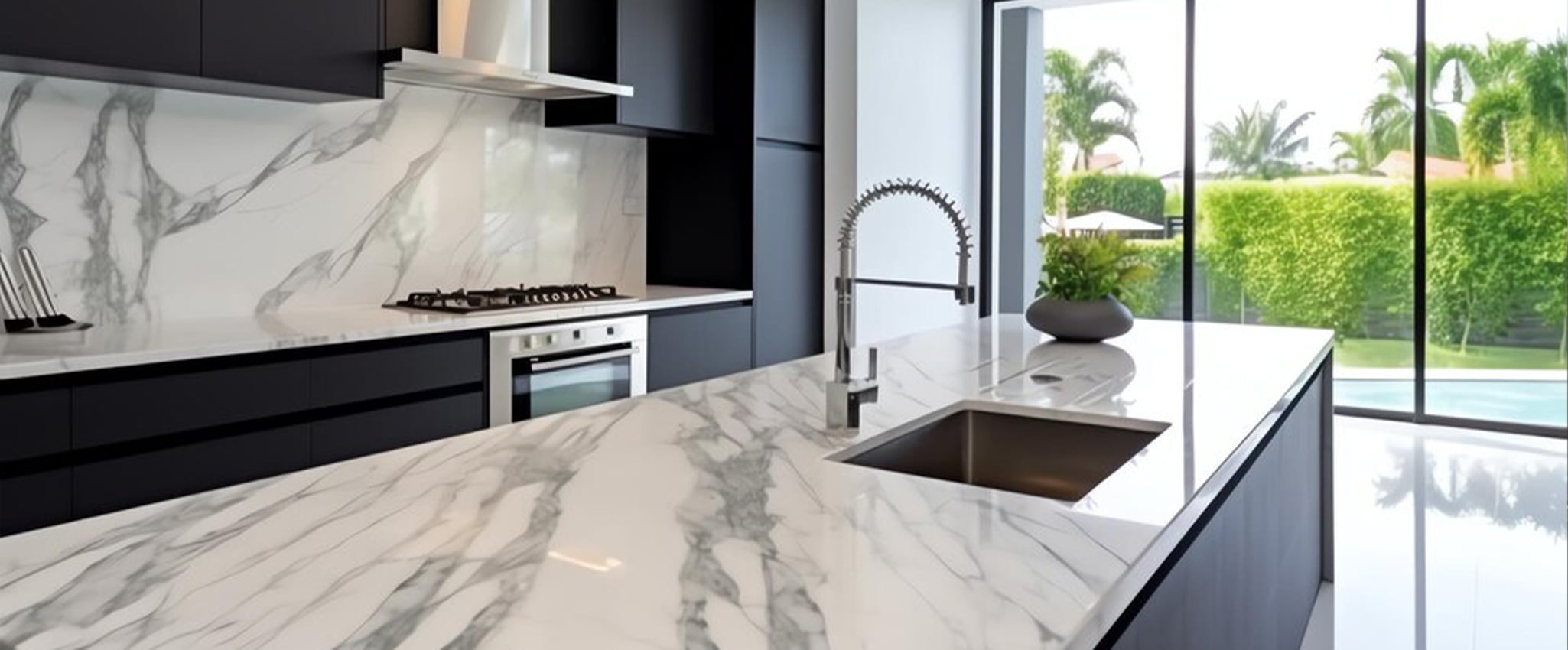
Quartz is a popular choice for modern designs due to its sleek and sophisticated look. In modern designs, quartz is often used in solid colors with a polished finish, or with minimal veining and patterns.
Traditional
Quartz can also be used in traditional designs, where it can mimic the look of natural stone such as marble or granite. In traditional designs, quartz is often used in warm, neutral colors with subtle veining and patterns.
Industrial
Quartz can be used in industrial designs to add a touch of modern sophistication. In industrial designs, quartz is often used in darker shades with a matte finish.
Glamorous
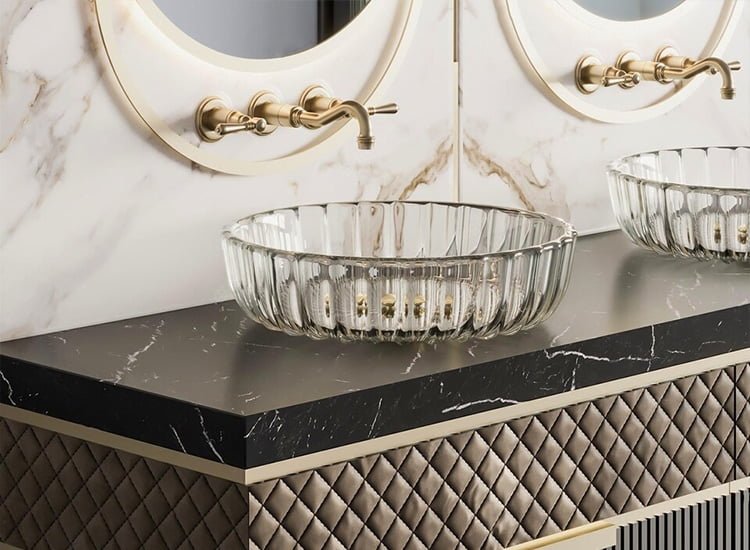
Quartz can also be used to create a glamorous and luxurious look, particularly when used in bold colors or with metallic accents. In glamorous designs, quartz is often used with a high gloss finish and intricate patterns.
Finishes
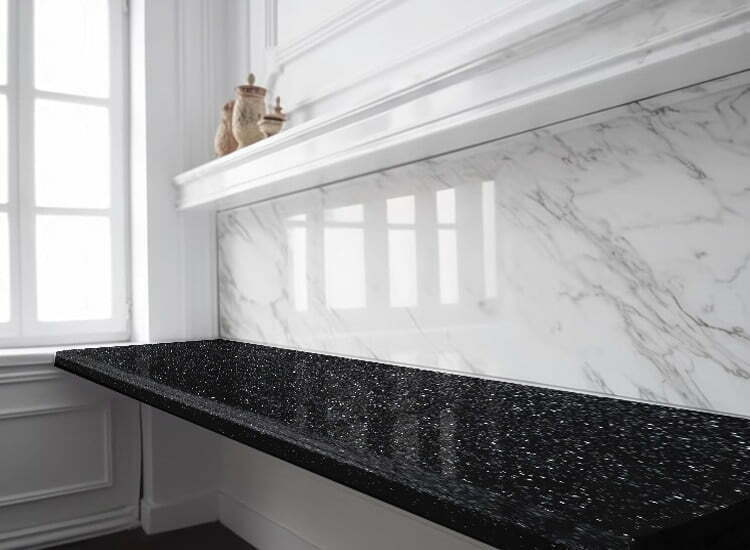
A polished finish for quartz is achieved through a meticulous manufacturing process that involves grinding down the surface of the quartz slab to a smooth, glossy, and reflective sheen. This finish enhances the natural luster of quartz, giving it a luxurious and sophisticated appearance. Polished quartz finds versatile applications, including countertops for kitchens and bathrooms, interior wall cladding, flooring in low-traffic areas, and stair treads for added luxury. Its advantages include an aesthetic appeal that adds sophistication to spaces, enhanced durability, low maintenance requirements, and hygienic properties due to its non-porous nature. This versatile finish complements various interior design styles and boasts longevity when properly maintained, making it a lasting investment in your space.
Applications
Quartz tiles can be used for a variety of applications, including:
Flooring
Quartz tiles are highly durable and scratch-resistant, making them a popular choice for high-traffic areas like kitchens, bathrooms, and entryways.
Walls
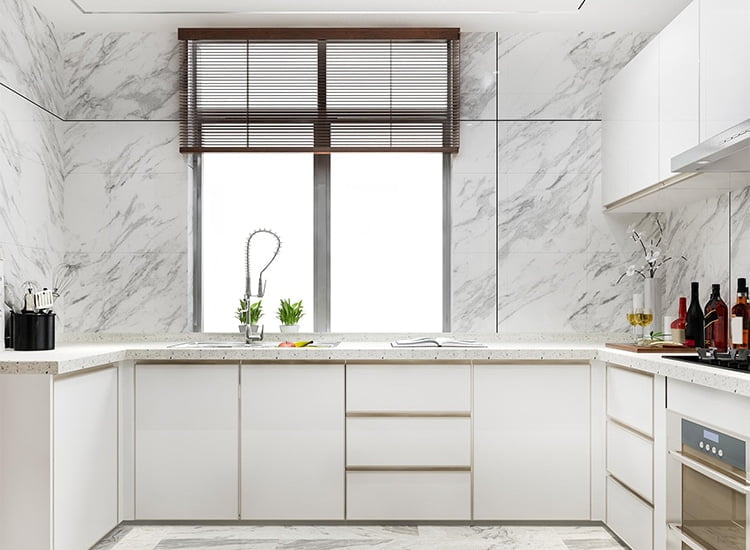
Quartz tiles can be used to create a statement wall in living areas, fireplaces walls or backsplash in a kitchen and bathroom.
Countertops
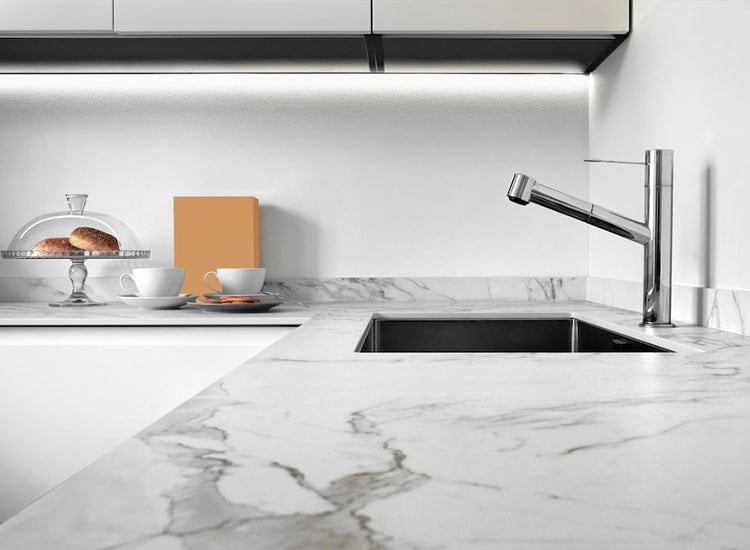
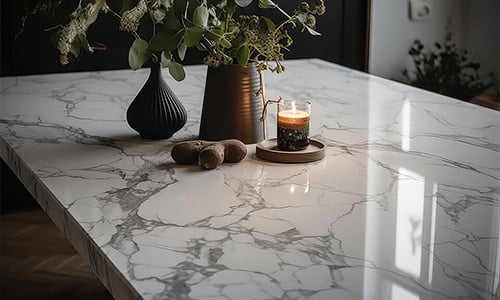
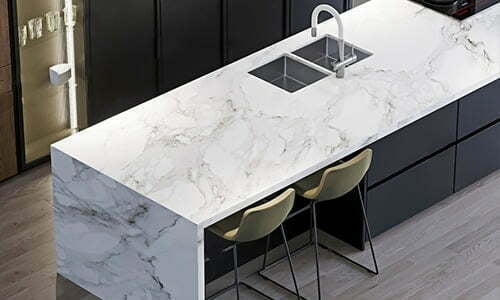
Quartz tiles can be used to create a stunning and functional countertop surface in a kitchen or bathroom.
Advantages
Durability
Quartz tiles are highly durable and resistant to scratches, chips, and cracks. They are also resistant to heat and moisture, making them ideal for use in kitchens and bathrooms.
Aesthetics
Quartz tiles have a high-end look and feel, and can be customized to fit any design aesthetic. They are available in a wide range of colors, patterns, and textures.
Low Maintenance
Quartz tiles are easy to clean and maintain, and require minimal upkeep. They can be cleaned with a simple soap and water solution.
Installation Process
The installation process of quartz stone typically involves several steps to ensure a proper and secure fit in your desired space.
Measurement and Template
A professional installer will take precise measurements and create templates as guides for cutting the quartz slabs.
Quartz Slab Selection
Choose the quartz slabs that match your design preferences. The templates will help determine how the slabs are cut and arranged.
Fabrication
The selected quartz slabs are cut, shaped, and polished to match the measurements using specialized equipment.
Preparing the Base
The base cabinets or support structure must be prepared and leveled to support the weight of the quartz.
Installation
The quartz slabs are carefully placed onto the cabinets or support structure, ensuring they fit snugly and securely.
Sink and Faucet Cutouts
Cutouts are made in the quartz slab to accommodate fixtures using the templates and measurements.
Seaming and Edge Detailing
Seams between slabs are joined using a strong adhesive and color-matched epoxy, then polished smooth.
Final Inspection
Installers conduct a final inspection to ensure the countertops are level, securely attached, and meet specifications.
Clean-Up
Installers clean the quartz countertops, removing any residue or debris, and may apply a sealer.
Completion
Your new quartz countertops are now ready for use. Enjoy your beautiful and functional surface!
Maintenance
Maintaining quartz stone surfaces is relatively simple, making them a popular choice for kitchens and bathrooms.
Daily Cleaning
Wipe down regularly with a soft cloth and warm, soapy water. Avoid abrasive pads or harsh chemicals.
Spill Cleanup
Clean spills promptly. For tough stains, gently scrape with a plastic putty knife or non-abrasive sponge.
Avoid High Heat
Use trivets or hot pads under pots and pans. Sudden temperature changes can cause thermal shock.
Preventing Scratches
Use cutting boards and avoid chopping directly on the surface. Be cautious with abrasive cleaning pads.
Sealing Not Required
Unlike natural stones, quartz does not require sealing. It's non-porous and resistant to staining.
Avoid Harsh Chemicals
Stay away from bleach, oven cleaner, and abrasive scouring pads that can damage the surface.
Regular Polishing
Use a quartz cleaner and polish to maintain shine and luster. These products are specifically designed for quartz.
Preventing Hard Water Spots
Dry the countertop after cleaning. For existing spots, use equal parts water and white vinegar.
Routine Inspection
Periodically inspect for any signs of damage. Address any chips or cracks promptly to prevent further damage.
Quartz Worktops

Quartz Backsplash
Quartz Countertops